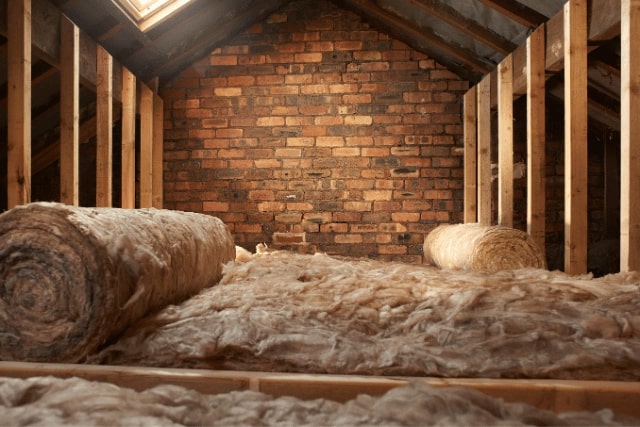
Room In Roof (Attic Insulation)
Rooms built into the roof rarely feel the same as the rest of the house. In winter, they lose warmth quickly. In summer, they can become stuffy before the day has properly started. Rooms can feel uneven in temperature when heat leaks through the sloped roof sections.
Room In Roof Insulation helps slow that heat loss by insulating the parts of the roof structure most exposed to outside temperatures. The result is a space that feels more stable, more usable, and easier to keep comfortable throughout the year.
Government Attic Insulation Grant
Why Roof Rooms Lose Heat
A standard room is surrounded by walls connected to the rest of the house. Roof rooms are different. The ceiling, the walls, and sometimes even the floor all sit closer to outside temperatures.
That changes how heat behaves.
Warm air naturally rises, which means upper rooms often lose heat first. If the insulation behind the sloped areas is weak or missing, heat escapes more easily. This can make the room feel colder much faster.
- Sloped ceilings lose heat faster than flat walls
- Older conversions often have patchy insulation coverage
- Small gaps behind plasterboard can affect the whole room
In many properties, the issue isn’t obvious until colder weather arrives. You turn the heating on, the room warms briefly, then cools down again far quicker than expected.
Why older attic conversions struggle more
A lot of converted loft spaces were completed years ago under very different standards. In some homes, insulation was added simply to meet minimum requirements at the time. That’s where modern Attic Insulation upgrades can make a noticeable difference.
The effectiveness of the insulation often comes down to one overlooked detail: the room in roof insulation thickness.
If the insulation is too thin, heat still moves through the structure too easily. If coverage is uneven, cold spots develop around the room. Over time, that inconsistency affects comfort more than people realise.
- Heat escapes unevenly across sloped areas
- Certain corners feel colder than others
- Heating systems run longer to compensate
Good insulation is less about making a room “hot” and more about helping it stay stable.
Attic Insulation
What The Upgrade Improves
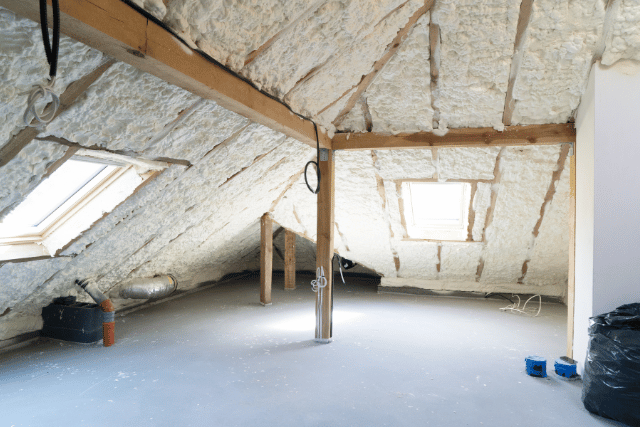
Why Does The Room Begin To Feel Different
Instead of heating the room repeatedly throughout the day, warmth lasts longer after the heating switches off. The room starts behaving more like the rest of the home rather than feeling separate from it.
- Temperatures feel steadier through the evening
- Draughts around sloped ceilings become less noticeable
- The room stays usable during colder months
That shift matters most in spaces used every day, such as bedrooms, home offices, converted loft rooms, or children’s rooms.
How Upper Floors Respond To Insulation
Upper rooms are naturally more exposed because the roof absorbs outside temperatures directly. Without proper insulation behind those angled surfaces, the room reacts quickly to changes outside.
Adding insulation helps slow that transfer.
It doesn’t create instant results overnight. As time goes on, the room stays comfortable more easily. This can reduce constant thermostat adjustments.
Government Room In Roof Insulation Grant
Room In Roof Insulation Costs
What Usually Affects The Cost
No two roof spaces are exactly alike. Some have easy access behind the walls. Others are tighter, older, or more complex structurally.
That’s why room in roof insulation cost varies depending on the property itself.
- The shape and size of the roof space
- Existing insulation already in place
- Access behind sloped ceilings
- The amount of coverage required
A smaller roof room may need relatively straightforward work. A larger conversion with multiple angled surfaces can take longer to complete properly.
Why Installation Quality Matters
Good installation is not just about adding more material. Proper placement, full coverage, and sealed gaps all play an important role.
Experienced room in roof insulation contractors understand how heat moves through roof structures and where weak points usually appear. That detail becomes important later, especially when trying to avoid uneven temperatures or trapped moisture.
Cutting corners here often creates more problems than it solves.
Attic Insulation Grants UK
Who May Qualify For Support
Some households may qualify for support depending on income, property condition, and current energy performance. A room in roof insulation grant often supports homes that need better energy performance.
- Lower EPC-rated properties
- Homes are losing significant heat
- Certain household benefits or income levels
Eligibility varies, which is why assessments matter. Two homes may look the same from the outside, but lose heat very differently.
Why Assessments Are Important First
Before any work begins, the property usually needs reviewing to understand how the roof room currently performs.
That process helps identify:
- How much insulation already exists
- Where does heat escape most
- Whether improvements are actually suitable
The goal is not simply to install more insulation. It’s to improve how the room functions overall.
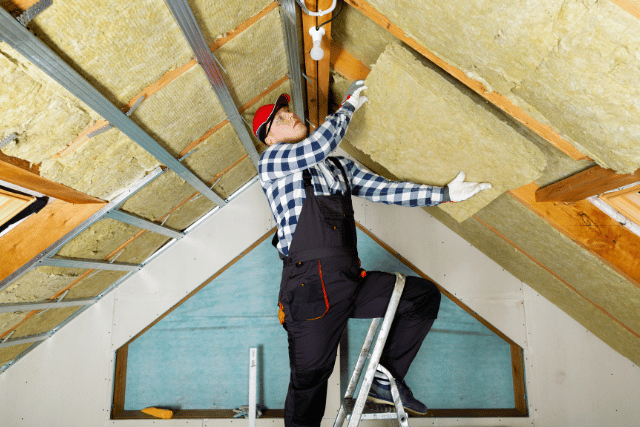
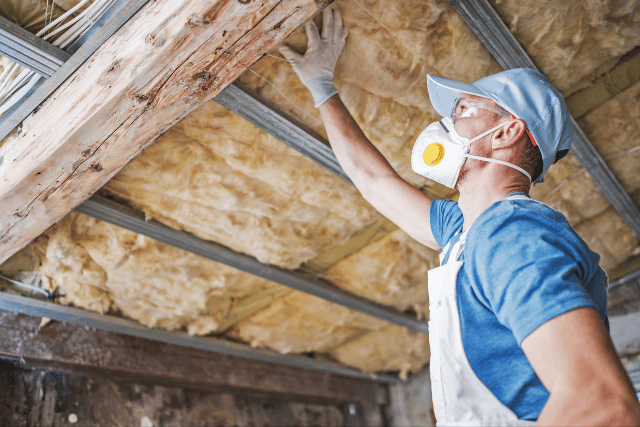
Who Is Eligible For An Attic Insulation Grant?
Why More Homes Are Upgrading
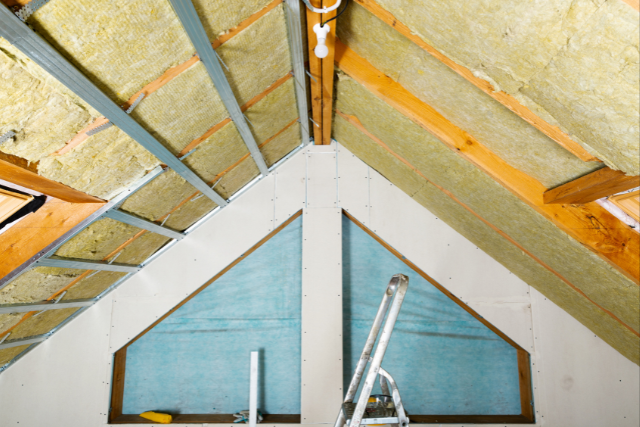
Roof rooms used to be treated as occasional spaces, storage rooms, and spare bedrooms. Somewhere used when needed. That’s changed.
More people now use these rooms daily for work, sleep, study, or family space. And when a room is used properly every day, comfort problems become harder to ignore.
- Upper rooms feel colder during winter mornings
- Heat builds quickly during warmer weather
- Energy use increases to maintain comfort
Eligibility For Attic Insulation Grant
Check Your Eligibility
Attic Insulation Grants Frequently Asked Questions
Frequently Asked Questions
It is insulation added to rooms built within the roof structure of a property. The aim is to reduce heat loss through sloped ceilings and exposed roof surfaces.
If the room feels difficult to keep warm in winter or overheats during summer, insulation may be limited. A proper assessment can identify where heat is escaping.
It can help reduce energy use by slowing heat loss from upper rooms. The overall savings depend on the property, heating habits, and existing insulation levels.
In some cases, yes. Eligibility usually depends on household circumstances, EPC rating, and the current condition of the property.
The required thickness depends on the roof structure and insulation material being used. A proper survey helps determine what level of coverage is suitable for the space.