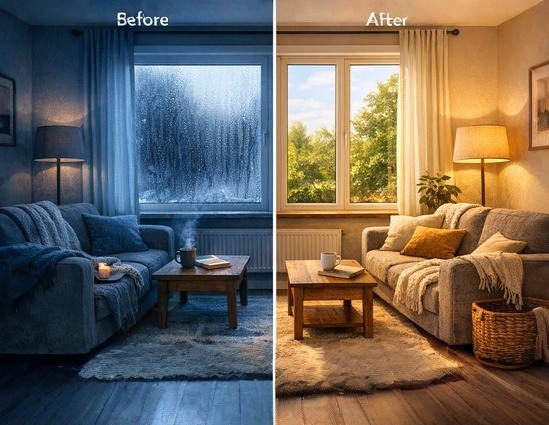
Double Glazing
Glass looks solid. It isn’t. A lot of your home’s warmth slips through it.
Double glazing reduces that loss by strengthening your windows, limiting draughts, and helping your rooms stay at a steady, comfortable temperature throughout the day.
How Double Glazing Improves Indoor Temperature Stability
Walls hold heat. Roofs keep out the elements, and floors can be sealed. Windows are different because they stay thin, exposed, and always respond to what’s outside.
Where The Problem Starts
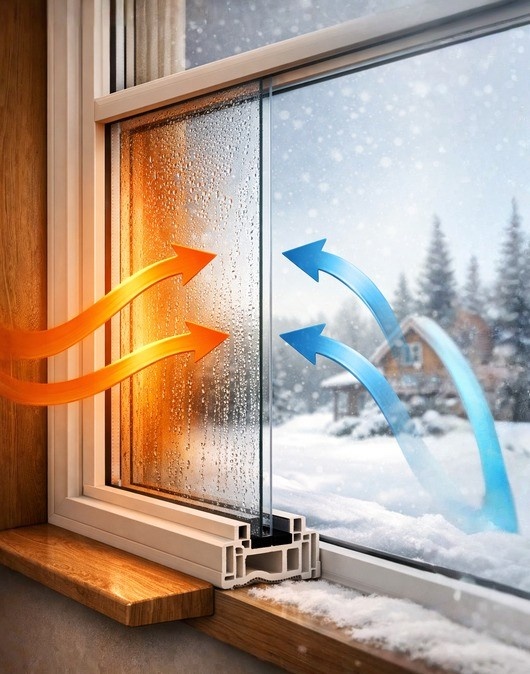
Glass transfers temperature quickly. When it’s cold outside, the inner surface of your window cools too. That affects the air around it.
You end up with:
- Cooler air is collecting near the windows
- Heat drifting toward colder surfaces
- Condensation forms when warm air meets cold glass
It’s not always a draught. Sometimes it’s just an imbalance.
Why Older Glazing Falls Short
Single panes don’t slow this process down. They allow:
- Rapid heat transfer
- Fluctuating indoor temperatures
- Moisture build-up on colder surfaces
That’s why certain areas in a room never quite feel right.
What Does Double Glazing Change Structurally
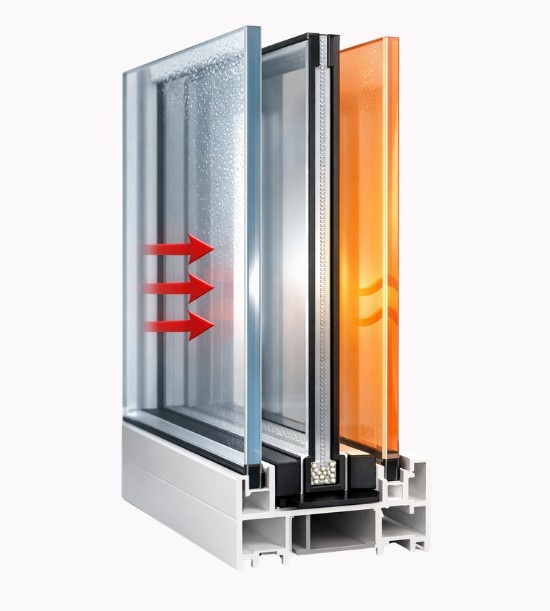
With double glazed units, there are two layers of glass instead of one. Between them sits a sealed space.
That space matters.
It reduces how quickly heat passes through. It stabilises the inner surface temperature. It limits how much outside conditions affect your indoor space.
You’ll see this across:
- Double glazed windows in living areas
- Double glazed doors in entry points and extensions
And in many cases, it’s part of a wider double glazing replacement, especially where older installations are no longer performing well.
What Improves When Balance Is Restored
- Indoor temperatures feel more stable
- Cold zones near windows reduce noticeably
- Moisture build-up becomes less frequent
- External noise softens in the background
It’s not about blocking the outside completely. It’s about reducing its influence.
How Living Spaces Change With Better Windows
Warmth matters, but consistency matters more. When windows perform better, rooms stop feeling uneven, and the temperature stays steady without constant adjustments or overuse of heating.
Before Upgrading
Rooms can feel uneven. One side warmer than the other. Heating works, but comfort doesn’t spread evenly.
You might notice:
- Windows feel cold to the touch
- Condensation forms on colder days
- Slight temperature shifts across the room
Nothing major. But enough to notice.
After Upgrading
The space settles. Not warmer in a dramatic way, but more balanced.
- Air temperature feels even across the room
- Surfaces don’t pull heat away as quickly
- The space feels quieter, more contained
What That Looks Like Day-To-Day
- Fewer cold patches near window areas
- Less need to adjust heating constantly
- Reduced outside noise interruptions
- A more stable indoor environment overall
It’s less about change. More about removing discomfort.
How Window Efficiency Affects Energy Use
People often focus on heating systems first. Makes sense. That’s where energy is used. But windows decide how much of that energy stays.
In Many UK Homes
- Windows haven’t been updated in years
- Seals weaken over time
- Glass efficiency varies widely
So even with decent heating, performance drops.
Where Energy Is Quietly Lost
Through:
- Glass surfaces
- Frame edges
- Small gaps you don’t always see
That loss is continuous. Not occasional. That’s why options like double glazing repairs or full replacement are often considered. It’s not just about appearance, but how well the window performs.
What Changes With Improved Glazing
- Heat retention becomes more consistent
- Rooms require less energy to stay comfortable
- Indoor conditions feel less affected by outdoor temperature
It’s not about upgrading everything. It’s about fixing where loss happens most.
How Insulated Windows Support Lower Energy Use
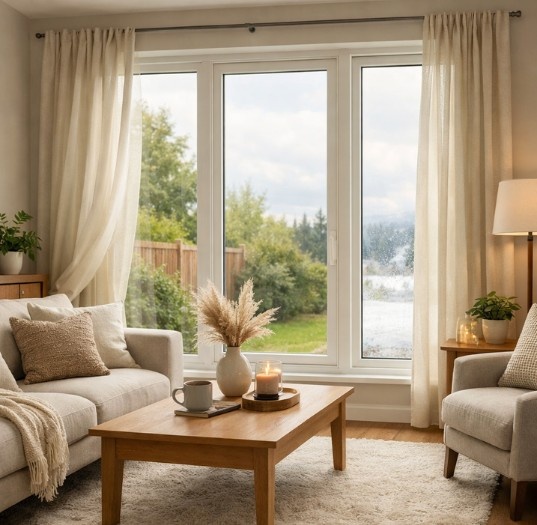
Savings don’t always come from using less. Sometimes, they come from losing less.
How Windows Influence Energy Demand
With a well-fitted double glazed window, heat stays inside longer. That means your heating system doesn’t need to cycle as often. Over time, that reduces total energy use.
What Double Glazed Units Contribute
- Less heat escaping during colder periods
- Reduced demand on heating systems
- More stable internal temperatures
- Lower long-term energy usage
You don’t need to change how you live. The system simply works more efficiently around you. That’s where the benefit builds gradually, but consistently.
Double Glazing Options That Match Your Property
Every property behaves differently. A flat doesn’t lose heat the same way a detached home does. A modern build performs differently from an older structure. That’s why glazing solutions aren’t identical.
What Determines The Right Approach
- Type of existing windows
- Frame condition and materials
- Exposure to weather and noise
- How each room is used
In some cases, upgrading key areas like a double glazed door or specific window sections is enough. In others, a full update to modern double glazing windows delivers better results.
What Stays Consistent
- Reduce unnecessary heat transfer
- Improve internal comfort
- Match the solution to the space
Efficiency works best when it fits the building. Not when it’s forced into it.
Double Glazing Grants Eligibility
A More Balanced Way to Live
Double glazing doesn’t shout. It works quietly in the background, keeping rooms steady, reducing loss, and easing demand on heating. Small change, lasting effect, and a home that simply feels easier to live in.
Frequently Asked Questions
Double glazing uses two panes of glass with a sealed gap between them. This slows heat transfer and helps maintain a more stable indoor temperature.
Yes, it can. Keeping the inner glass surface warmer, it reduces the chance of condensation forming from temperature differences.
It can reduce noise levels. The additional layer of glass and sealed gap help limit how much sound travels into the home.
If your windows feel cold, show condensation regularly, or affect room comfort, it may be time to consider replacing them.
Yes. They slow heat loss, reduce temperature fluctuations, and improve overall energy efficiency compared to single-pane windows.