Energy Efficient Lighting
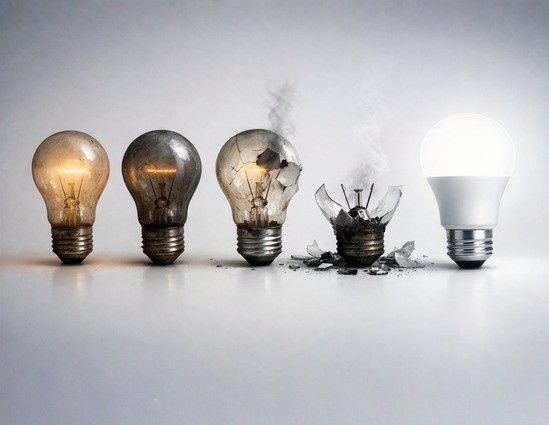
Traditional lighting uses more power than needed. Energy efficient light bulbs cut electricity use, last longer, and keep brightness steady without quietly increasing what you pay each month.
How Energy Efficient Light Bulbs Reduce Power Use
Lighting feels simple. Flick a switch, and the room brightens. Done.
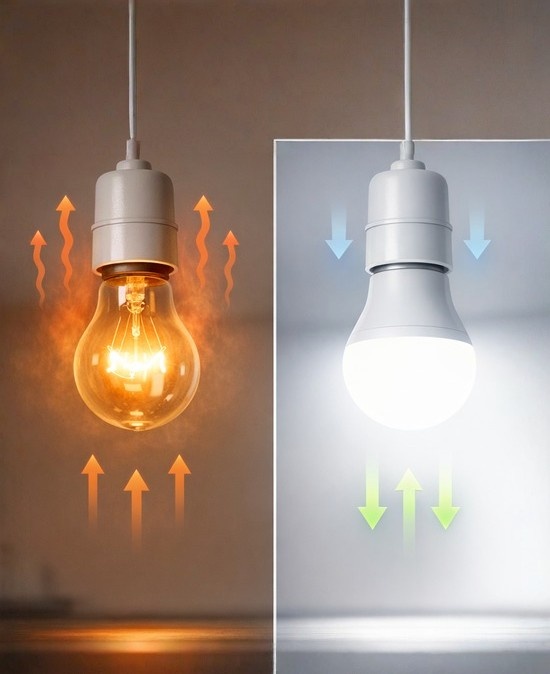
But behind that small action, there’s waste. Older bulbs, especially halogen or incandescent, don’t just produce light. They produce heat. A lot of it. And that heat? It’s energy you’re paying for, but not really using.
It’s not about brightness or comfort. The issue is waste.
Modern energy efficient lighting approaches this differently. Instead of burning energy to create light, it uses it more precisely. Less spill, less loss, and more output from the same input.
LED technology sits at the centre of this shift.
With energy efficient LED light bulbs, most of the energy goes into light itself. Not heat. Not excess. Just illumination where you need it. The result feels the same, sometimes better, but the energy behind it is far lower.
That’s where the difference builds over time. And yes, this is where people start noticing the change. Not overnight. But month by month. Fewer replacements. Lower usage. A quieter system overall.
If you’ve ever replaced bulbs more often than expected, or noticed uneven brightness across rooms, you’ve already seen the limits of older setups.
Now compare that to modern systems.
- Uses less electricity for the same light output
- Produces far less wasted heat
- Lasts significantly longer than traditional bulbs
- Reduces overall energy consumption across the home
Some households switch everything at once. Others do it gradually. Either way, the shift is practical. You don’t need brighter lights. You need smarter ones. That’s exactly where energy efficient light bulbs come in.

What Changes With Efficient Lighting at Home
At first, it’s subtle.
You stop thinking about lighting. That’s usually the first sign that something has improved.
Before switching, there are small frustrations. A bulb goes dim too soon. Another fails earlier than expected. Some rooms feel too bright. Others, not quite enough.
After upgrading, those inconsistencies settle down. Light becomes predictable, even, and quietly reliable.
There’s also less interruption. Fewer trips to replace bulbs. Less time adjusting brightness. It all just works.
And that’s the point.
- Consistent light quality across rooms
- Fewer bulb replacements over time
- Lower electricity usage in the background
- Better control over how spaces feel
It’s not dramatic. It doesn’t need to be. But over weeks and months, it becomes noticeable. Especially in how little attention it demands. Lighting should feel effortless. When it does, you know it’s working properly.
Why Efficient Lighting Matters in UK Homes
Energy costs aren’t what they used to be. Most households have felt that shift already. Heating may take the spotlight, but lighting contributes quietly and consistently each day.
In many UK homes, especially older properties, lighting setups haven’t changed in years. The fittings work. The bulbs switch on. So nothing seems urgent.
But efficiency isn’t always obvious.
That’s where lighting energy efficient upgrades come into focus. Not because lighting is broken, but because it’s outdated.
Small inefficiencies, repeated daily, become real costs over time. Switching to energy efficient lighting isn’t about redesigning your home. It’s about improving how it already functions.
Less waste. Better output. Lower ongoing usage. And with support available through grants, it becomes easier to make that shift without added financial pressure. It’s not about doing more. It’s about using less for the same result.
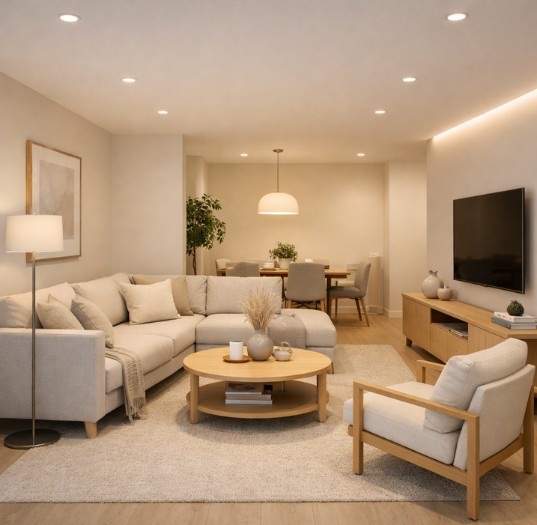
Lower Costs With Long-Lasting Lighting Solutions
Some savings feel immediate. Others build quietly. Lighting falls into the second category.
When you install energy efficient LED light bulbs, the difference isn’t just in energy use. It’s in how long things last.
- How often do you need to replace them?
- How consistently do they perform?
That consistency matters more than people expect.
With LED lighting for energy efficiency, the system becomes stable. Predictable. Less wasteful without any extra effort.
Over time, that creates real value.
- Reduced electricity bills month after month
- Longer lifespan compared to traditional bulbs
- Lower maintenance and replacement costs
- More efficient use of energy across the home
You don’t adjust your routine. You don’t think about it daily. It just runs better. And that’s where long-term savings usually begin, not with big changes, but with better ones.
Energy Efficient Lighting That Fits Every Home
No two homes use lighting in the same way.
Some rely on a few main fixtures. Others spread lighting across multiple rooms, levels, and purposes. That’s why a single approach rarely works for everyone.
A local energy efficient lighting company looks at how your home actually uses light. Not just where bulbs are placed but how often they’re used, and how effectively they perform.
From there, improvements are tailored. Not forced. Some homes benefit from full upgrades. Others need small adjustments, changing bulb types, improving efficiency, or balancing light across spaces.
The goal stays the same:
- Better lighting.
- Less waste.
- No disruption.
That flexibility matters. Because efficiency shouldn’t feel like a compromise. It should feel like an upgrade you don’t have to think about twice.
Energy Efficient Lighting Grants Eligibility
Light That Works Smarter
Efficient lighting cuts waste without changing how you live. It lasts longer, uses less power, and keeps things steady. No fuss. Just a simple upgrade that quietly lowers costs and keeps your home running better.
Frequently Asked Questions
Double glazing uses two panes of glass with a sealed gap between them. This slows heat transfer and helps maintain a more stable indoor temperature.
Yes, it can. Keeping the inner glass surface warmer, it reduces the chance of condensation forming from temperature differences.
It can reduce noise levels. The additional layer of glass and sealed gap help limit how much sound travels into the home.
If your windows feel cold, show condensation regularly, or affect room comfort, it may be time to consider replacing them.
Yes. They slow heat loss, reduce temperature fluctuations, and improve overall energy efficiency compared to single-pane windows.