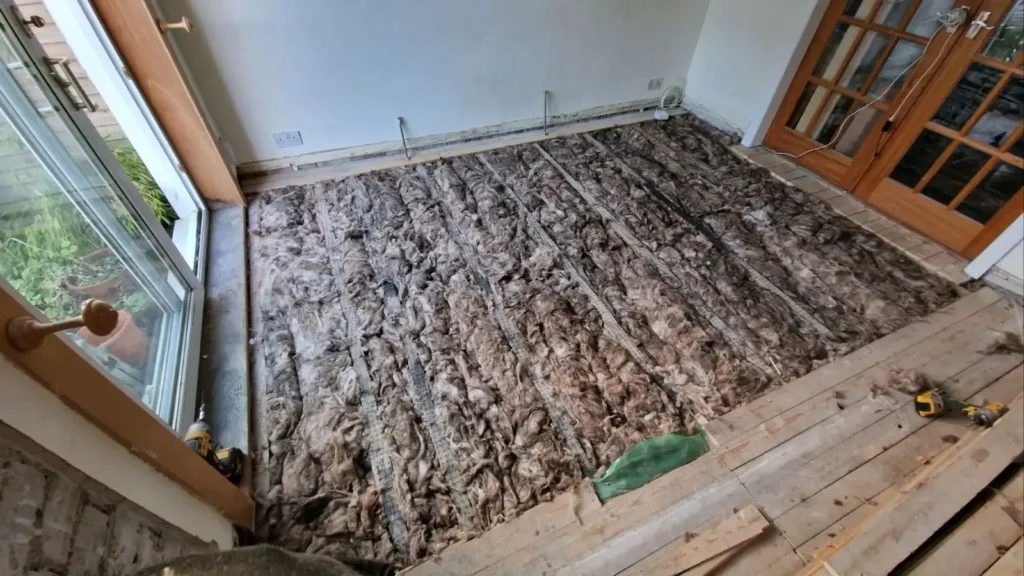
Under Floor Insulation
Heat rises, but it doesn’t stay put. A surprising amount slips downward through your floors. Under floor insulation helps hold that warmth inside, reducing heat loss and making rooms feel comfortable from the ground up.
How Under Floor Insulation Stops Heat Escaping Downwards
You heat a room. The air warms up. Everything should feel fine. But then cold floors. That’s the clue.
Why Floors Feel Colder Than The Air
It’s not always the heating. It’s what’s underneath.
- Gaps between floorboards
- Air movement below suspended floors
- Open voids pull heat downward
Heat doesn’t just rise. It spreads. And if there’s space below, it escapes there too.
What Insulation Changes
This is where structure starts to matter.
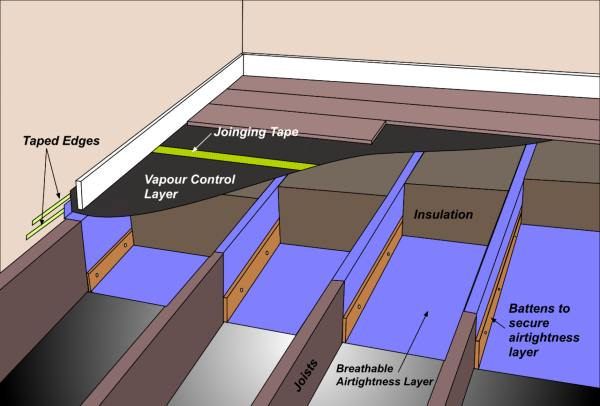
A layer of underfloor insulation boards sits beneath the surface. It slows the movement of heat. Not completely, but enough to make a real difference.
For homes using heating systems, especially underfloor setups, the effect becomes clearer with:
- Underfloor heating insulation boards
- Proper insulation for underfloor heating
- Materials designed to direct warmth upward
What Does That Mean In Practice
You’re not adding heat. You’re keeping it.
- Heat stays inside instead of leaking downward
- Rooms hold temperature for longer
- Heating systems don’t need to work as often
- Comfort becomes more consistent
Once that balance shifts, the space feels different. Not warmer instantly. But steadier.
What Changes When Floors Stop Losing Heat
You don’t always notice insulation working. But you do notice when something stops feeling wrong.
Before Insulation
- Cold floors first thing in the morning
- Certain areas always feel colder
- Heating runs, but comfort doesn’t last
You adjust, you compensate, and you get used to it.
After Insulation
The change isn’t dramatic. It’s subtle but steady.
- Floors feel warmer underfoot
- Temperature spreads more evenly across rooms
- Less need to keep adjusting the heating
- Rooms stay comfortable for longer
And the biggest difference? You stop thinking about it. That’s when you know it’s working.
Why Floor Insulation Matters in UK Homes
A lot of homes across the UK share one thing: Older floor structures.
What’s Common In Many Properties
- Suspended timber floors
- Air gaps beneath living spaces
- Limited or no insulation installed
That setup made sense years ago. But now, it creates constant heat loss.
Why It Matters Today
Energy costs have changed. Expectations have changed. Even small inefficiencies now show up clearly in monthly bills. That’s where under floor insulation grants come in.
Not to replace everything but to improve what’s already there.
What Insulation Helps Fix
- Heat escaping into the empty space below the floors
- Uneven temperature across rooms
- Heating systems are working harder than needed
It’s a structural fix. One that works quietly in the background.
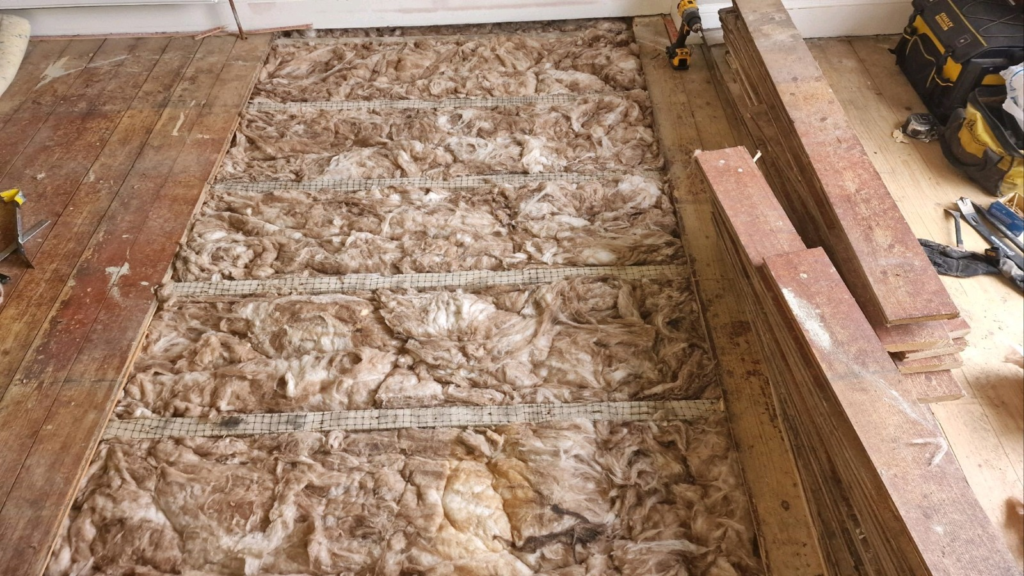
Better Heating Performance Starts From The Floor
Heating systems don’t just depend on output. They depend on retention. If heat escapes, the system compensates. And that’s where inefficiency builds.
Where Insulation Makes A Difference
With proper under floor heating insulation, the system doesn’t lose energy downward. Instead, it works with the room, not against it. For integrated setups, under floor insulation for floor heating becomes even more important.
What Improves Over Time
- Less heat is wasted beneath the floor
- More effective use of generated warmth
- Reduced energy consumption overall
- Better comfort across all rooms
It’s not about turning the heating higher. It’s about needing less of it.
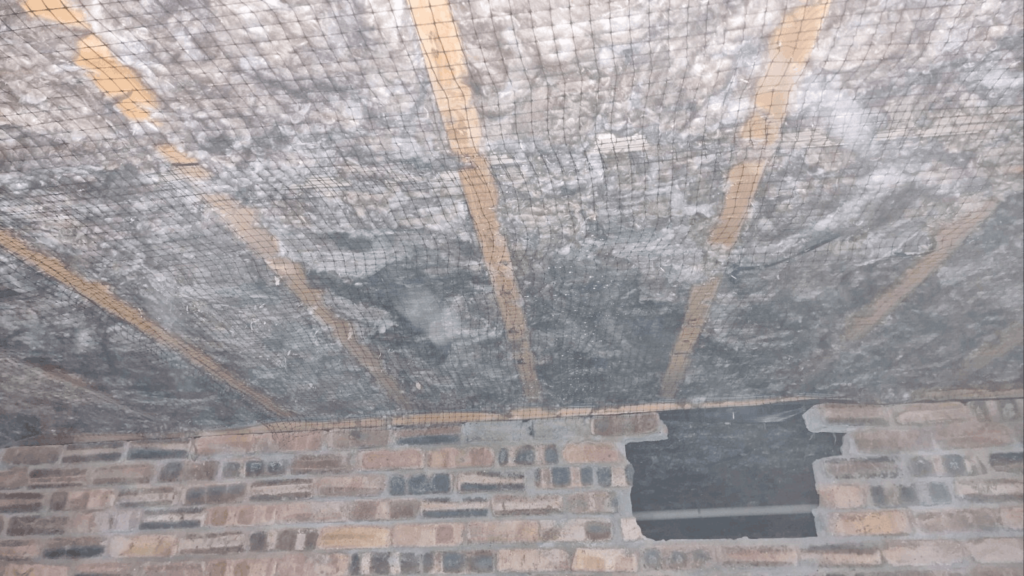
Under Floor Insulation Solutions That Fit Your Home
Every home is different. And floors vary more than most people expect.
Why One Approach Doesn’t Work Everywhere
- Timber floors behave differently from solid floors
- Access below the floor can change installation methods
- Heat movement varies based on structure
What Gets Considered
- Floor construction type
- Existing insulation (if any)
- Heating system compatibility
In many cases, under floor heating insulation boards or a well-fitted under floor heating insulation board are used to create a consistent thermal layer.
What Is The Goal That Remains
- Keep the heat inside the room
- Reduce unnecessary loss
- Improve efficiency without disruption
It’s not about complexity. It’s about getting the basics right.
Under Floor Insulation Grants Eligibility
Keep Heat Where It Belongs
Warmth should stay where you need it. Underfloor insulation helps that happen. Less waste. Fewer cold spots. A steadier home, day to day. Small change below, noticeable comfort above, without overworking your heating system.
Frequently Asked Questions
It creates a barrier beneath your floor that slows heat loss. Instead of escaping downward, warmth stays inside the room for longer.
Yes. By reducing heat loss, floors retain more warmth, making them feel noticeably more comfortable underfoot.
Eligibility depends on your home and circumstances. Some households may qualify for support under energy efficiency schemes.
Yes. Without insulation, heat can be lost downward. Insulation ensures heat moves upward into the room effectively.
They create a thermal barrier beneath floors, helping reduce heat loss and improve overall energy efficiency.