Underfloor Insulation: Save Energy & Reduce Bills
Written by: Energy Efficient You
Published: 18th May 2026
Introduction
Heating bills keep climbing. Yet many UK homes still feel cold during winter. Sometimes the issue is not the boiler or the radiators. It starts beneath your feet.
Floors can leak heat all day without homeowners noticing. Older properties suffer the most, especially homes with suspended timber floors. Warm air escapes. Cold draughts creep in. Rooms never feel fully comfortable.
That is why underfloor insulation has become a popular upgrade for homeowners trying to cut energy waste. It helps trap warmth inside the home, reduces cold spots, and supports lower heating costs over time. The difference is often simple but noticeable. Warmer rooms. Less chill. Better comfort during colder months.
Why Floors Lose So Much Heat
People often insulate the loft first. Then the walls. Floors usually come later, if they get attention at all.
The problem is that older floors are rarely designed to hold heat properly. Many have gaps beneath the boards where cold air can move freely. Once temperatures drop outside, that cold air rises into the room above.
It does not sound dramatic. But over time, it affects the whole house.
A room that loses heat quickly needs more energy to stay warm. That means longer heating cycles and higher bills.
Signs Your Property Needs Better Protection
Some signs are easy to spot. Others become normal after years of living with them.
Look out for:
- Cold floors during winter mornings
- Draughts near skirting boards
- Rooms cooling down quickly
- Heating that seems to be constantly on
- Uneven temperatures downstairs
Many homeowners have experienced what others have. The upstairs is warm enough, yet the downstairs remains unsettled. That constant chill is a revealing sign that heat is escaping through the floor structure.
The other layer is additional insulation beneath the floors, which helps to slow the process. This means rooms retain the heat for longer and seem evenly balanced throughout the day.
How Underfloor Insulation Improves Home Comfort
So, this upgrade simply offers a layer of thermal insulation under the floor. Essentially, it stops this heat from leaking down into the empty space and keeps it inside. Though each house needs a different answer.
A Victorian terrace is never the same as a modern detached house. All of a house’s ventilation system, the type of floors, access, and the moisture levels all make a difference.
So, a professional assessment is necessary before installation.
Main Benefits Homeowners Notice
- Rooms feel warmer faster
- Less cold air movement
- Lower heat loss through flooring
- Better indoor comfort
- Reduced heating demand
In many cases, the improvement will be best seen with underfloor insulation for wooden floors. Timber floors tend to have draughts coming through loose gaps between boards and joists. When that area is insulated, the effect will be a lot less.
And honestly, homeowners usually notice the comfort first. The savings come later.
How Modern Materials Improve Efficiency
Insulation materials have evolved a lot. The more traditional insulation materials were big and cumbersome. Current systems are much lighter, stronger and a lot more effective.
High-quality boards offer a good level of thermal performance where space is limited or where good insulation. These comprise rigid boards offering high insulation value to reduce heat transfer and structural stability for longevity.
Mineral wool is another popular option. It works especially well in suspended timber floors because it is breathable and flexible. Some installers also use foil-backed insulation to help reflect heat upward into the room.
Options Available For Different Property Types
Different floor types need different materials. Common options include:
- Mineral wool for suspended timber floors
- Rigid boards for compact floor spaces
- Foil insulation for added heat reflection
- Layered systems for older properties with uneven flooring
The right setup depends on the home itself. For example, underfloor insulation for wooden floors must still allow airflow beneath the timber. Completely blocking ventilation can lead to moisture issues later. A good installation keeps warmth in while protecting the structure below.
Pairing Insulation With Heating Systems
Heating systems have a much more difficult job if the heat leaks out of the building too fast. It is a little like filling a bucket with a hole in the bottom.
Adding insulation beneath the floor causes the heat to stay longer in the rooms. Radiators and boilers are no longer required to operate as hard to achieve the same level of comfort.
Heating insulation is especially useful in homes with modern heating systems. It helps direct heat upward rather than letting it escape below the floor structure.
Improving Warmth Distribution Across Rooms
Many homes suffer from uneven temperatures. One room feels cosy. Another stays cold no matter what.
Floor insulation helps reduce those temperature swings by improving heat retention across the whole downstairs area.
Homeowners often notice:
- More even warmth across rooms
- Fewer cold spots near windows and floors
- Less need to increase thermostat settings
- Improved comfort during colder evenings
Cost Savings And Long-Term Benefits
People naturally ask whether insulation saves money. In many homes, it does.
Reducing heat loss means less wasted energy. Over time, that can lower heating costs, especially during winter when systems run longer.
The actual savings depend on:
- Property size
- Existing insulation levels
- Heating habits
- Floor construction
- Installation quality
Still, lower bills are only part of the benefit.
Better Comfort And Improved EPC Ratings
A warmer home feels different. Not overheated. Just more comfortable.
Floors stay warmer underfoot. Rooms hold heat for longer. The heating does not need to battle against constant heat loss.
Other long-term advantages include:
- Improved EPC ratings
- Lower carbon emissions
- Better energy efficiency
- Added value during future property sales
For homeowners already improving lofts or cavity walls, floor insulation fits naturally into broader home energy-efficiency services.
Funding Support Available For Homeowners
Costs often prevent homeowners from making improvements. That is understandable.
The good news is that support schemes may help reduce installation costs for eligible households.
Government-backed programmes aim to improve energy efficiency across UK homes, especially properties with poor thermal performance.
Understanding Current Grant Opportunities
UK Eligibility depends on several factors, including:
- Household income
- EPC rating
- Existing insulation
- Benefits received
- Property type
Some households may qualify through wider schemes linked to ECO4 funding or local energy programmes.
Funding rules can change, so checking current support options is always worthwhile. For many homeowners, financial support makes energy upgrades far more realistic.
Conclusion
Cold floors do more than make a home uncomfortable. They often signal constant heat loss happening beneath the surface every day.
Additional underfloor insulation will also help make the home draught-free, maintain warmth, assist with current heating costs, and provide a warmer-feeling space, particularly in older homes with timber suspended floors.
And for many homes, this ultimately turns out to be one of the most useful long-term upgrades they have had.
Not because it looks good, but because it alters the home’s daily atmosphere. If your home is often cold or heating bills are going up, this is the perfect time to find out what can be done.
Frequently Asked Questions
Uninsulated floors in older houses can result in significant heat losses through air gaps underneath the floor. This can bring higher heating bills in winter.
Yes. For wooden floors, it is commonly installed in older UK properties. It helps reduce draughts while still allowing proper airflow beneath the timber.
Yes. Insulation for underfloor heating can maintain a high heat content and allow a heating system to be more energy efficient.
Certain homeowners could receive these grants under government-supported energy efficiency schemes. Availability is income-related and based on EPC band and house type.
Most installation periods are between 1-3 days (again based on property size and the nature of the floor structure). Older properties tend to take longer to fit.
See Our Other Blogs
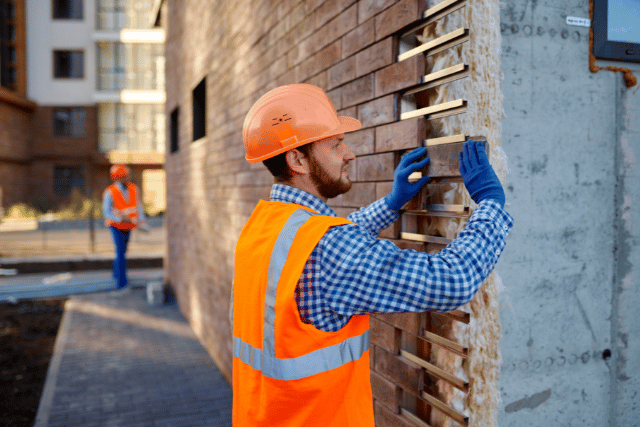
How Much Does External Wall Insulation Cost?
External Wall Insulation has become a popular choice for homeowners to improve energy efficiency and reduce heating costs. Also referred to as solid wall insulation, it involves adding a layer of insulation material to the exterior walls of the building. This then acts like a thermal barrier, reducing heat loss through the walls. External wall insulation is key to lowering your energy bills.
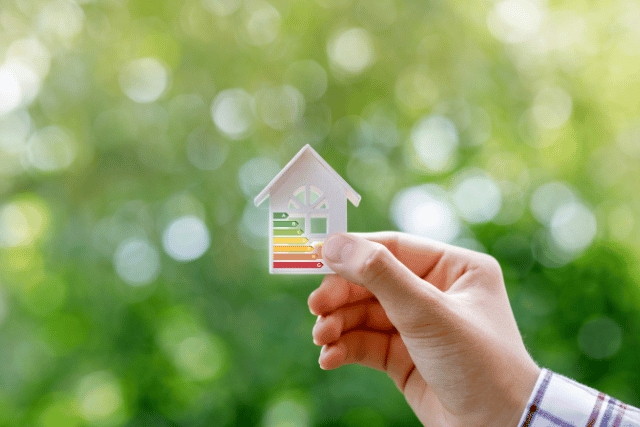
How To Calculate Energy Efficiency
Energy efficiency is a measure of how effectively energy is utilised in a system or process to accomplish a specific task. It’s about getting the most out of the energy we use and optimising performance. Whether it’s in homes or businesses, understanding and improving energy efficiency are steps toward sustainability and resource conservation.
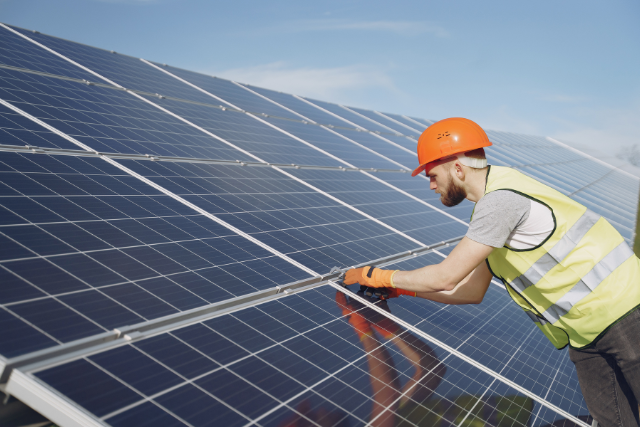
Solar PV has gained immense popularity as a clean and reliable energy source that holds the promise of reducing greenhouse gas emissions and minimising our dependence on fossil fuels. Photovoltaics (PV) has transformed the way we produce and consume electricity. Learn more about how solar pv can help save you money on your electricty bills.