What Home Energy Grants Are Available in the UK? A Complete Guide
Written by: Energy Efficient You
Published: 20th March 2026
Introduction
Energy prices continue soaring, which is a very painful blow for homeowners, especially those living in old houses with poor insulation and dated boilers. It is a fact that renovating a loft, wall, or heating system can be very effective, yet to most people, the cost will be their biggest stumbling block.
That’s why home energy grants UK exist. They help fund insulation, heating upgrades and, in some cases, boiler replacements. These schemes come from national and local sources and aim to cut bills and carbon emissions simultaneously. This guide shows the main grants, what they fund, who may qualify, and how to apply. No fluff. Just practical facts to help decide the next step.
Why the UK Funds Home Energy Upgrades
Homes leak heat. That’s the short truth. Many houses were built long before energy rules mattered. As a result, heating runs longer. Bills rise. Carbon emissions do too.
Government-backed schemes try to fix that. They target the homes that waste the most energy. The idea is simple: fund measures that keep heat in and cut energy use. That helps families and the national climate goals.
Key aims of these schemes:
- Lower household energy bills.
- Cut national energy demand.
- Reduce carbon emissions.
- Help vulnerable households heat their homes.
.
The Value of Efficiency
Small fixes add up. Loft insulation slows heat loss. New controls stop wasted heating. A modern boiler uses less fuel per degree of warmth. Together, these changes shrink bills and make homes more comfortable.
Major Schemes to Know About
Here are the programmes most people encounter. They form the backbone of government home energy grants UK support.
Energy Company Obligation (ECO4)
ECO4 makes energy suppliers fund home upgrades. It focuses on homes that need the most help, those with low energy ratings or households on certain benefits.
What ECO4 often covers:
- Loft and cavity wall insulation
- Boiler repairs or replacements (where needed)
- Heating controls and pipework fixes
It’s aimed at lowering bills fast. If a home scores poorly on energy, ECO4 may step in.
Boiler Upgrade Scheme
This one pushes low-carbon heating. It funds heat pumps and other alternatives to gas boilers. The scheme helps homes move away from fossil fuel heating.
Typical support:
- Air source heat pumps
- Ground source heat pumps
- Advice on low-carbon swaps
It’s not for every property, but it’s a major route for greener heating.
Local and Council Grants
Councils sometimes add local help. These schemes vary by area. Some target older homes, rural properties, or low-income households. It pays to check local council pages; extra funds may be available alongside national schemes.
Heating and Boiler Work Covered
Heating uses most of a home’s energy. So grants often focus here.
Common measures supported:
- Boiler replacements and boiler replacement grants
- Heat pump installations
- Modern heating controls and thermostats
- Radiator upgrades and balancing
- Insulation that helps heating work better
Why this mix? Because efficient heating plus good insulation gives the best results. One without the other can leave energy wasted.
Quick List: What Often Makes The Biggest Difference
- Loft insulation
- Wall insulation
- A modern boiler or heat pump
- Smart thermostats and timers
Each item reduces wasted energy. Each cuts bills.
Who Usually Qualifies
Not every household gets automatic support. Schemes target where the need is greatest.
Common eligibility checks look at:
- Household income or benefits status
- Property EPC rating (energy performance)
- Age and type of current heating system
- Property type and build
Homes on low incomes or those with poor EPCs often get priority. Older systems and draughty homes are flagged first. In short, if a property wastes heat, it is likely to qualify.
The Typical Application Journey
The route is straightforward. It is practical, not painful.
Typical steps
- Quick eligibility check — often online or by phone.
- Home energy assessment — a surveyor visits and records the facts.
- Recommended work — a list of sensible upgrades.
- Approval and installation by an approved provider.
Approved installers usually manage permissions and paperwork. That keeps the process simple for the household.
Conclusion
Home improvements not only reduce energy bills but also help keep homes warm. Choosing the correct program can get rid of the initial expense and turn the upgrades into something you can afford. In fact, for a lot of families, home energy grants UK offer financial assistance to install insulation, change old boilers, or put in low-carbon heating.
Check eligibility early. A short assessment can show which grants are available. The right support can turn a cold home into a warm and efficient one. It can also make heating cheaper.
Frequently Asked Questions
- What are home energy grants UK schemes?
They are public and supplier-funded programmes that help pay for energy-saving home upgrades. Think insulation, heating work, and in some cases, new boilers.
- Who can apply for government home energy grants UK programmes?
Eligibility varies. It usually depends on income, benefits, property EPC rating, and the existing heating system. Low-income and inefficient homes often get priority.
- Do energy efficiency grants UK cover boiler replacements?
Yes. Some schemes include boiler replacement grants. They target old, inefficient boilers or systems beyond simple repair.
- Are heating upgrade grants available for older homes?
Yes. Older homes often qualify because they tend to lose more heat and gain more from upgrades.
- How long does the application process usually take?
Timelines vary. From an initial check to installation can be several weeks. Complex projects or busy providers may take longer, but many simple upgrades finish in a short span.
See Our Other Blogs
How Much Does External Wall Insulation Cost?
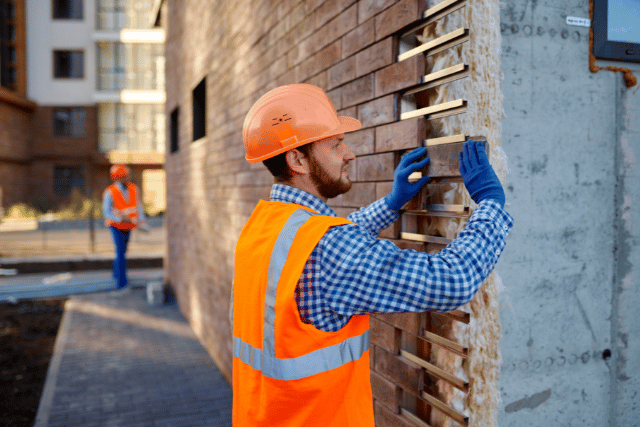
External Wall Insulation has become a popular choice for homeowners to improve energy efficiency and reduce heating costs. Also referred to as solid wall insulation, it involves adding a layer of insulation material to the exterior walls of the building. This then acts like a thermal barrier, reducing heat loss through the walls. External wall insulation is key to lowering your energy bills.

How To Calculate Energy Efficiency
Energy efficiency is a measure of how effectively energy is utilised in a system or process to accomplish a specific task. It’s about getting the most out of the energy we use and optimising performance. Whether it’s in homes or businesses, understanding and improving energy efficiency are steps toward sustainability and resource conservation.
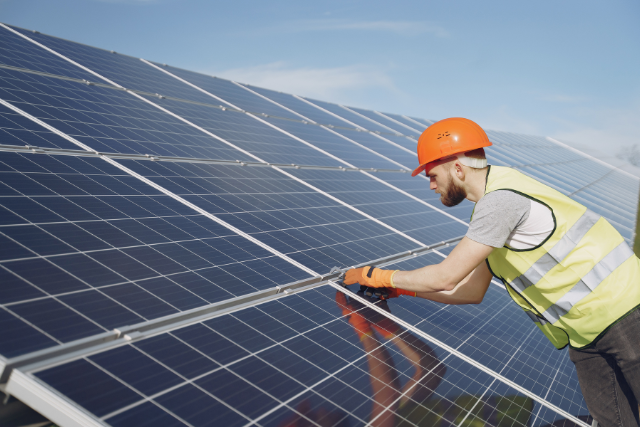
Solar PV has gained immense popularity as a clean and reliable energy source that holds the promise of reducing greenhouse gas emissions and minimising our dependence on fossil fuels. Photovoltaics (PV) has transformed the way we produce and consume electricity. Learn more about how solar pv can help save you money on your electricty bills.