Internal Wall Insulation UK: Is It Worth It for Your Home in 2026?
Written by: Energy Efficient You
Published: 27th August 2026
Introduction
Improving your home’s insulation is one of the best ways to stop heat from escaping and make your rooms feel warmer. For many older UK homes, internal and solid wall insulation is a practical option. Especially when external insulation isn’t possible.
But is it worth it? You have to weigh the cost. The loss of some floor space and the disruption of installation against the promise of better warmth and lower energy bills. At Energy Efficient You, we help homeowners figure out if internal wall insulation is the right choice for their property.
What Is Internal Wall Type Insulation?
This insulation is fitted to the inside of an external wall. It adds a layer of insulation between your room and the cold wall behind it. This helps to slow down the heat loss. It can also make the room feel warmer.
It is often considered for older homes with solid walls, where there is no cavity to fill with insulation. This makes solid wall insulation a useful way to improve home insulation UK standards without changing the outside of the property.
The internal wall insulation is placed inside the home. External wall insulation, by contrast, is fitted to the outside of the building. Internal work can suit homes where changing the outer walls is not practical.
Make sure to check for damp, damage and other issues before getting the insulation. The building itself needs to be assessed. This is to find the right insulation approach.
Why Are Homeowners Considering Internal Wall Type Insulation in 2026?
Many homeowners want their home to feel warmer without having to keep the heating on for longer. This insulation can help to slow the amount of heat that escapes through external walls.
Keep Rooms Warmer
Insulated walls can help rooms to hold heat for longer. This can be useful in older homes with solid walls. Older homes may not lose more heat than newer homes with better insulation.
Improve Thermal Comfort
Cold walls can make a room feel chilly, even when the heating is on. Adding insulation can make wall surfaces feel warmer. And it also helps to reduce cold spots around the room.
Reduce Heat Demand
A well-insulated home can hold heat better. This means the heating may not need to work as hard to keep rooms at a comfortable temperature. Also, you can able to control the temperature better.
Improve Energy Efficiency
Better insulation is one step towards a more efficient home. It can also support improvements to the home’s EPC rating, which is one reason homeowners may look at insulation as part of a wider energy upgrade.
Is Insulation Suitable for Your Home Internal Walls?
Yes, it can work well in some homes. But it is not right for every property to be added. The first step is to check how your walls are built. Solid external walls are often a key reason to consider this type of insulation, especially in older homes.
Before choosing a system, the wall should be checked for damp, damage and other issues. The building itself also needs to be assessed to find the right insulation approach. Homeowners can also refer to guidance on internal wall insulation for best-practice advice on planning and installing this type of insulation.
Energy Efficient You states that solid external walls and an EPC rating from D to G form part of its property criteria for its funding route. However, meeting one or more points does not guarantee funding. A full home assessment is needed to check suitability and eligibility.
What Are the Pros and Cons of Insulation on Internal Walls?
Internal wall type insulation can make a home warmer, but it is not without a few trade-offs.
Benefits
- It helps reduce heat loss through external walls.
- Rooms can feel warmer and more comfortable.
- Your home may need less heat to stay warm.
- It can suit homes where external insulation is hard to fit.
- It can form part of a wider plan to improve energy efficiency.
Things to Consider
Internal insulation takes up some space in the room. The change is often only a few centimetres. But still, it is worth planning for. Work can also affect sockets, radiators, skirting and other fittings.
The walls should be checked before work begins. Dampness or moisture issues need to be addressed first. Poor design or fitting can also lead to condensation problems.
Installation may take several days for a room, based on its size and the work needed. Good planning and skilled workmanship can help keep disruption to a minimum.
How Much Does Insulation to Internal Walls Cost in the UK?
The insulation cost UK homeowners face can vary from one property to another. There is no single price that fits every home. The cost of insulation can depend on the size of the property, the number of walls, the insulation system and the wall condition.
Preparation and finishing work can also affect the price. Changes to sockets, pipes, radiators or other fittings may add to the work. The property layout and labour needed will matter too.
But what if you could qualify for funding? Eligible households may receive support towards installation costs. This can make wall insulation cost far more manageable and change the overall value of the work.
Can You Get Insulation Through a Grant in 2026?
Some UK households may be able to get help with internal wall insulation through the ECO4 scheme. Energy Efficient You offers a funding route where approved work may be covered directly for eligible homes, rather than paid as cash to the homeowner.
Eligibility can depend on both your home and your household. Factors may include:
- Your EPC rating
- Solid external walls
- Existing insulation and heat loss
- Whether you own or privately rent the home
- Landlord consent, where needed
- Your household situation
- Qualifying benefits
Eligibility depends on the individual property and household circumstances. Meeting one condition does not mean funding is guaranteed. Check the latest rules and have your home assessed before making plans or assuming you qualify.
Is Insulation For Internal Walls Worth It in 2026?
For the right property, yes. It can be a smart step if your external walls lose heat, especially in a home with solid walls. It can also suit homes where external insulation is not practical.
The main gains are better warmth, improved comfort and stronger energy efficiency. If you qualify for funding, the cost may also be easier to manage.
But it is not the best first choice for every home. Check the wall type, wall condition and space available inside each room. You should also consider the work needed and whether you meet the funding rules. A proper home assessment can help you decide if internal insulation is the right fit.
Conclusion
Internal wall insulation can be a good choice when it suits your home, but the property should be checked first. Look at the wall type, condition, space and planned work rather than price alone. If you meet the rules, funding may help with the cost. Energy Efficient You can help you explore your options and check if your home may qualify.
Frequently Asked Questions
Yes. It can be a good fit for older homes with solid external walls. These walls can lose heat, so adding insulation may help rooms stay warmer for longer.
Yes, but usually by only a small amount. The exact change depends on the insulation system used and the wall. Your installer should explain this before work starts.
It can. Better-insulated walls hold heat for longer, so your home may need less heating to stay comfortable. Your results will depend on the home and how it is used.
Some households may qualify for funding under schemes such as ECO4. Rules can vary, and meeting one condition does not mean funding is guaranteed. Your home and household need to be checked.
Yes. Damp, cracks and other wall issues should be dealt with first. A proper check can help find the right system and reduce the risk of moisture or condensation problems later.
See Our Other Blogs
How Much Does External Wall Insulation Cost?
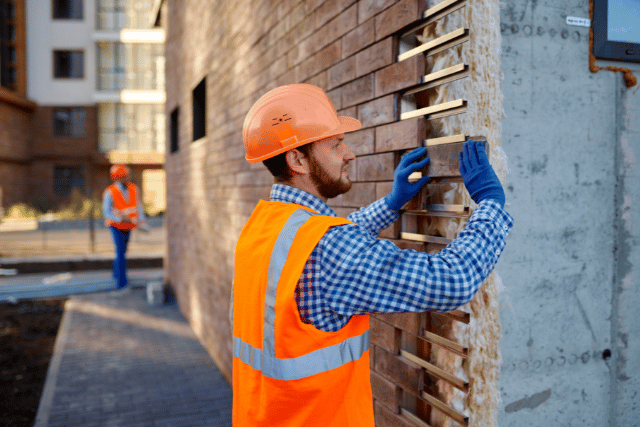
External Wall Insulation has become a popular choice for homeowners to improve energy efficiency and reduce heating costs. Also referred to as solid wall insulation, it involves adding a layer of insulation material to the exterior walls of the building. This then acts like a thermal barrier, reducing heat loss through the walls. External wall insulation is key to lowering your energy bills.
How To Calculate Energy Efficiency
Energy efficiency is a measure of how effectively energy is utilised in a system or process to accomplish a specific task. It’s about getting the most out of the energy we use and optimising performance. Whether it’s in homes or businesses, understanding and improving energy efficiency are steps toward sustainability and resource conservation.
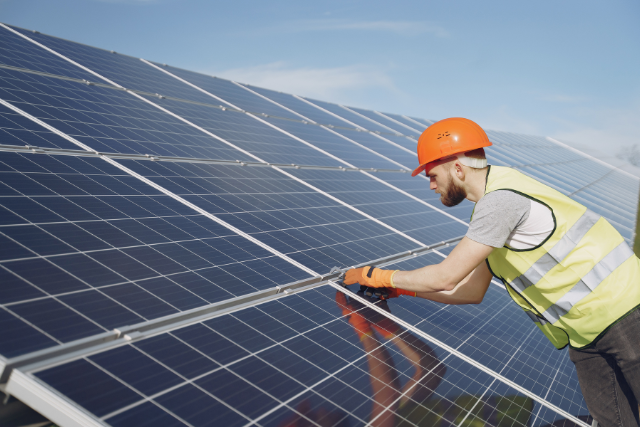
Solar PV has gained immense popularity as a clean and reliable energy source that holds the promise of reducing greenhouse gas emissions and minimising our dependence on fossil fuels. Photovoltaics (PV) has transformed the way we produce and consume electricity. Learn more about how solar pv can help save you money on your electricty bills.