Warm Homes Plan 2026: What UK Homeowners Need to Know About Grants and Energy Upgrades
Written by: Energy Efficient You
Published: 22nd September 2026
The Warm Homes Plan 2026 is a UK Government plan to support homes for more energy-efficient path. It was published in January 2026 and sets out £15 billion of public investment to upgrade up to five million homes by 2030. The plan covers measures such as insulation, heat pumps, solar panels and batteries.
It is important to know that the Warm Homes Plan is not one grant that every homeowner can claim. Support is being offered through different schemes, grants, loans and local programmes. What you may be able to get will depend on factors such as your income, home, EPC rating, location and the type of upgrade needed.
What Is The Warm Homes Plan 2026?
The Warm Homes Plan 2026 is a UK Government plan to help make more homes warmer and cheaper to run. It is not one grant. Instead, it brings together different schemes, grants, loans and other support for home upgrades. The plan is aimed at different types of households, with extra help for people on lower incomes.
A Wider Programme, Not A Single Home Improvement Grant
The plan covers many ways to improve a home. This can include insulation, solar panels, batteries and heat pumps. Some help is aimed at low-income homes, while other support is being developed for homeowners who want to make changes themselves. Local councils also have a role in delivering some schemes.
What The Government Wants To Achieve
The main goal is to improve old and less efficient homes. The plan is designed to:
- Make homes more energy efficient
- Help keep homes warm and comfortable
- Cut energy costs
- Increase the use of clean heating
- Reduce fuel poverty
- Improve older homes across the UK
Which Home Energy Grants Are Available In 2026?
There are several types of support for home energy work in 2026. But there is no single rule for all grants. Your income, home, EPC rating, location and the work you need can all affect what support you may get.
Warm Homes: Local Grant
The Warm Homes: Local Grant is aimed at low-income households in England. It is for privately owned homes, including homes lived in by the owner and homes rented from a private landlord.
Your home must have an EPC rating of D, E, F or G. Your household income will usually need to be £36,000 a year or less. Some homes above this limit may still qualify because of their postcode or certain benefits.
The work can include loft, wall and underfloor insulation, solar panels, smart controls and air source heat pumps where suitable. The local council arranges the work after a home survey.
Boiler Upgrade Scheme
The Boiler Upgrade Scheme helps property owners in England and Wales move to low-carbon heating grants UK. From 21 July 2026, the main grant rates are:
- £7,500 for air-to-water heat pumps
- £7,500 for ground source heat pumps
- £2,500 for air-to-air heat pumps
- £5,000 for biomass boilers
£9,000 for some air-to-water and ground source heat pumps in eligible off-gas-grid homes replacing oil or LPG heating. The grant is paid to the installer and taken off the cost of the work.
ECO4 And Other Existing Support
ECO4 is also still running in 2026. Its end date was extended to 31 December 2026. It applies across England, Scotland and Wales.
The Great British Insulation Scheme (GBIS) is different. It ended on 31 March 2026 and was not extended. This matters because older websites and articles may still list GBIS as an available grant.
What Energy Upgrades Can Homeowners Consider?
The right home upgrade grants will depend on the age and type of your property, how it is heated now and where heat may be lost. Some homes may need better insulation first. Others may benefit from a new heating system or solar power. The best option can differ from one home to another.
Insulation
Insulation helps slow down heat loss. Loft insulation can help keep heat inside the home. Cavity wall insulation may suit homes with suitable cavity walls. Older homes with solid walls may need a different approach, such as internal or external wall insulation. Underfloor insulation can also help in homes where heat is lost through the floor.
Good insulation can also help a heating system work more effectively. But the walls, floors and roof should be checked first to make sure the right type is used.
Heat Pumps And Cleaner Heating
Air source heat pumps take heat from the outside air. Ground source heat pumps take heat from the ground. Both can provide heating and hot water, but they are not right for every home.
The size of the property, insulation, space, heat loss and current heating system all need to be considered before choosing a heat pump.
Solar Panels, Batteries And Smart Controls
Solar PV panels can generate electricity from sunlight. A home battery can store some of that power for later use. Smart controls can help a household manage when heating or electricity is used.
The Warm Homes Plan also includes tailored packages that may combine solar, batteries, insulation and clean heating for some low-income households.
No upgrade should be treated as a guaranteed fit or a fixed way to cut bills. The home and the needs of the people living in it should come first.
Who Can Benefit From The Warm Homes Plan?
The type of help you may get can depend on your income, home, location and the work you want to carry out.
Homeowners On Lower Incomes
People on lower incomes may get targeted help with home upgrade grants. For example, the Warm Homes: Local Grant supports some private homes in England with an EPC rating from D to G. Income rules also apply, with some other routes based on postcode or benefits.
Homeowners Making Their Own Upgrade Decisions
The plan also aims to give more homeowners access to clean heating grants UK and lower-cost finance. The Boiler Upgrade Scheme offers grant support in England and Wales, while the government is rolling out low- and zero-interest finance for upgrades such as solar panels, batteries and heat pumps.
Location Matters
Support is not the same across the UK. The Warm Homes: Local Grant is only available in England. Scotland, Wales and Northern Ireland have different schemes and rules. Always check the scheme for your part of the UK before making plans.
How Should Homeowners Prepare For An Energy Upgrade?
Before starting any work, it helps to understand what your home needs. A few simple checks can give you a clearer picture.
Check Your EPC
Your Energy Performance Certificate (EPC) shows how energy efficient your home is. It also points out areas where the home could use less energy, such as poor insulation.
Understand Your Current Heating And Insulation
Look at your current boiler or heating system, as well as your loft, walls and floors. Finding where heat may be lost can help you understand which upgrades may be worth looking at.
Check Official Eligibility Information
Grant rules can change. Check official sources and your local council for the latest details before making plans. Do not rely only on old articles or online adverts.
Look At The Whole Home
Try to see the home as one system. Insulation, ventilation, heating, controls and renewable energy can all affect each other. Looking at them together can help avoid choosing an upgrade that does not suit the property.
What Should Homeowners Be Careful About?
Getting a grant does not always mean the whole cost of the work is covered. Some schemes also have set rules, funding limits and closing dates. Meeting the basic rules does not always mean funding is available.
It is also easy to find old grant information online. Grant amounts, deadlines and scheme rules can change, so check the latest details before making a decision.
Do not choose an upgrade only because it has the lowest price. A measure that works well in one home may not suit another. Check that the installer meets the scheme rules and that the work is right for your property before you agree to anything.
Conclusion
The Warm Homes Plan 2026 is a wider programme, not one grant for every UK homeowner. The help available can depend on your income, property, EPC rating, location and the upgrade you need. Before paying for any work, check the latest rules on official sources and your local council. Grant amounts, dates and eligibility rules can change, so always check the current 2026 information before making a decision.
Frequently Asked Questions
No. The Warm Homes Plan is a wider government programme. It includes different grants, schemes and planned finance options. The help available will depend on your home, income, location and the type of work needed.
Some households may qualify for free insulation through schemes such as the Warm Homes: Local Grant or ECO4. The rules differ between schemes. The Warm Homes: Local Grant, for example, is aimed at eligible private homes in England with an EPC rating of D to G.
From 21 July 2026, the Boiler Upgrade Scheme offers up to £7,500 for air-to-water or ground source heat pumps and £5,000 for biomass boilers. Air-to-air heat pumps can qualify for £2,500. Some eligible off-gas-grid homes replacing oil or LPG heating can get £9,000 towards a heat pump.
No. The Warm Homes: Local Grant is only available in England. Scotland, Wales and Northern Ireland have different schemes and rules for home energy improvements.
Yes. ECO4 has been extended until 31 December 2026 and applies in England, Scotland and Wales. The Great British Insulation Scheme is different and ended on 31 March 2026.
See Our Other Blogs
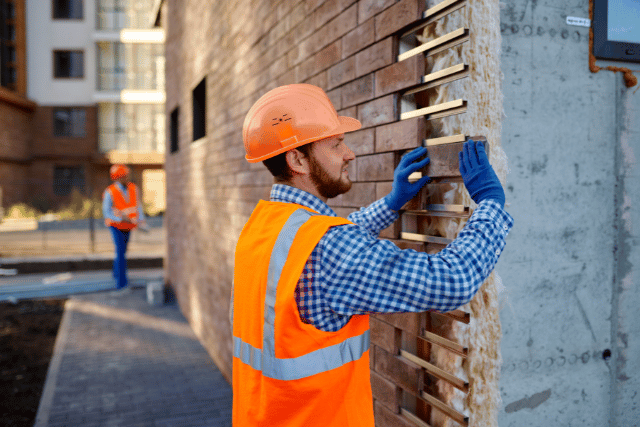
How Much Does External Wall Insulation Cost?
External Wall Insulation has become a popular choice for homeowners to improve energy efficiency and reduce heating costs. Also referred to as solid wall insulation, it involves adding a layer of insulation material to the exterior walls of the building. This then acts like a thermal barrier, reducing heat loss through the walls. External wall insulation is key to lowering your energy bills.
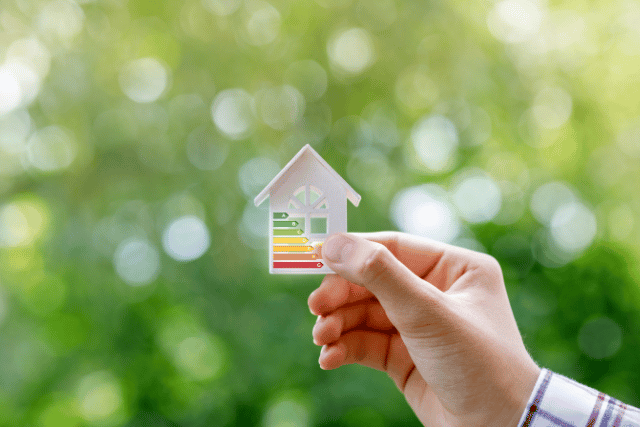
How To Calculate Energy Efficiency
Energy efficiency is a measure of how effectively energy is utilised in a system or process to accomplish a specific task. It’s about getting the most out of the energy we use and optimising performance. Whether it’s in homes or businesses, understanding and improving energy efficiency are steps toward sustainability and resource conservation.
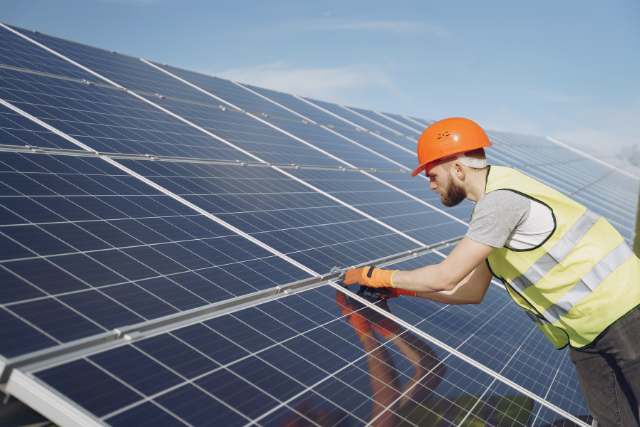
Solar PV has gained immense popularity as a clean and reliable energy source that holds the promise of reducing greenhouse gas emissions and minimising our dependence on fossil fuels. Photovoltaics (PV) has transformed the way we produce and consume electricity. Learn more about how solar pv can help save you money on your electricty bills.