What Home Energy Grants Are Available in the UK? A Complete Guide Written by: Energy Efficient You Published: 20th March 2026 Get …
Thousands of homeowners can benefit from cavity wall insulation UK schemes. A quick eligibility check takes a minute and often points to real savings.
We at Energy Efficient You facilitate the whole procedure. We assist in locating suitable government insulation grants, scheduling surveys, and connecting trusted installers with homeowners. Fill in the short form to check if any support is available for the property.
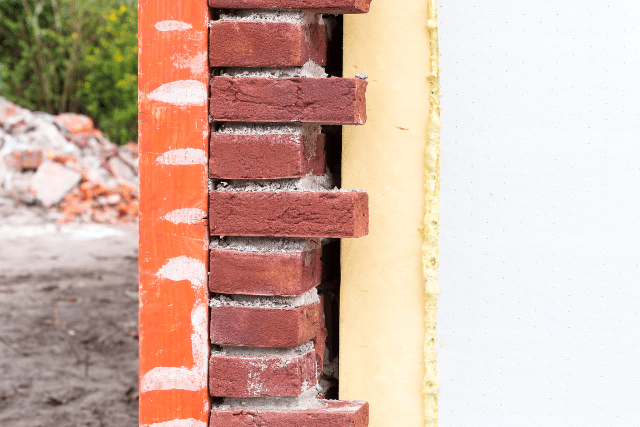
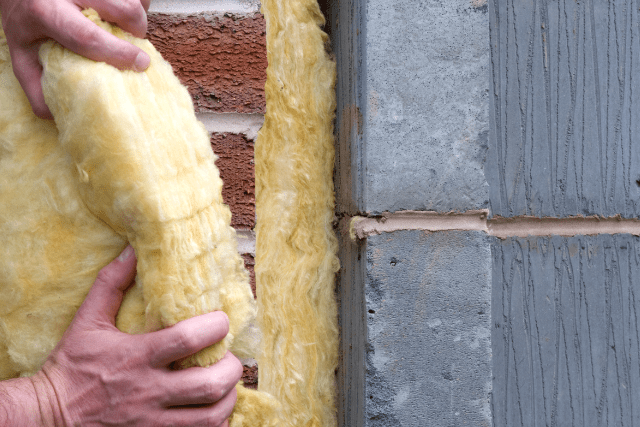
Many houses lose their heat through the walls. Some homes have cold areas, draughts and rooms that just never seem warm enough. In cavity walls insulation, the system literally fills the gap inside the walls. There are some schemes where you might be eligible for aid with the cost of insulation. It fills the space between the inner and outer walls with insulating material so heat stays put.
What people notice first:
In particular, the cavity wall insulation scheme can be a real help if you are an eligible household. This is a great way to cut down on your initial investment and get a quicker return on your money. In practical terms, many homes see bill reductions (sometimes several hundred pounds a year). It’s a simple change with long-term upside.
There’s an environmental win too: less wasted heat means fewer emissions and a greener home.
A cavity wall insulation grant is government-backed help that reduces or covers the cost of fitting insulation into cavity walls. These grants sit within wider home insulation grants and national energy schemes aimed at raising home efficiency across the UK.
Cavity walls have a gap between the inner and outer layers. If that gap is empty, heat escapes. Filling it slows that loss. Properly done, the measure:
Whether a grant covers the full cost depends on the programme and the household circumstances. Many grants prioritise those on lower incomes or with poor EPCs. In some cases, the installation can be fully funded.
Government schemes don’t just hand out money. They aim to fix persistent problems in housing and cut waste where it matters.
Heating a leaky house uses too much energy. Insulation slows the leak. The result? Less heating is needed and lower bills.
Homes that waste less energy emit less carbon. Widespread insulation plays a real role in national emissions targets.
Insulation removes cold corners and reduces damp risk. That leads to better indoor air and fewer mould problems (and happier occupants).
A warmer, more efficient home often attracts better offers. Buyers look at running costs as well as floor plans these days.
Eligibility varies between schemes, but common checks include income, ownership and the home’s energy rating. Some programmes target those on specific benefits or with an EPC of D, E, F or G.
Typical factors considered:
If any of that sounds unfamiliar, don’t worry, a quick form and a short chat with a surveyor can make it clear. In many cases, the people who need help most get priority.
It’s one of the most cost-effective measures for homes with cavities. Here’s why it’s worth considering.
Save on bills: Less heat lost means the boiler (or heat pump) runs less. That quickly trims energy costs.
Feel warmer, faster: Rooms reach comfort more quickly. Fewer cold spots. Less reliance on constant heating.
Cut carbon: Every kWh saved reduces emissions. Small changes, multiplied across thousands of homes, add up.
Fast and tidy install: Most installs take only a few hours. Installers inject insulation through small external holes, which are then sealed. No major building work.
Long-term gain: Insulation lasts decades with minimal upkeep. It’s a long game with steady returns.
Many government insulation grants target households where someone receives qualifying benefits. Examples commonly considered include:
If a patient in the family were given one or more of these, it would be strong evidence to grant them support.
Some properties may not be suitable, but many are. Review this checklist to check your home’s eligibility.
If walls show structural problems or persistent damp, repairs come first. A local survey will give a clear answer.
Cavity wall insulation simply consists of filling the space between the two walls with insulation material. This is the most effective way of preventing heat loss and making a home more energy efficient.
Yes, actually. There are lots of cavity wall insulation grants that are the result of national and local energy programmes. The availability and eligibility conditions vary from one scheme to another.
Depending on the type of property, the savings made can be different. A lot of people have ended up saving several hundred pounds a year, even long after the installation.
Usually, most of the installations wrap up within a couple of hours. Besides the stain, the workers seal the drill holes once they have finished with the job.
If in the hands of a registered professional, no. There are tiny holes drilled to insert the material; they are nicely filled and secured after that.
What Home Energy Grants Are Available in the UK? A Complete Guide Written by: Energy Efficient You Published: 20th March 2026 Get …
Common Myths About UK Home Energy Grants (and What’s Actually True) Written by: Energy Efficient You Published: 25th February 2026 Get in …
Am I Eligible for UK Home Energy Grants? A Step-by-Step Guide Written by: Energy Efficient You Published: 13th February 2026 Get in …