Am I Eligible for UK Home Energy Grants? A Step-by-Step Guide Written by: Energy Efficient You Published: 25th April 2026 Get in …
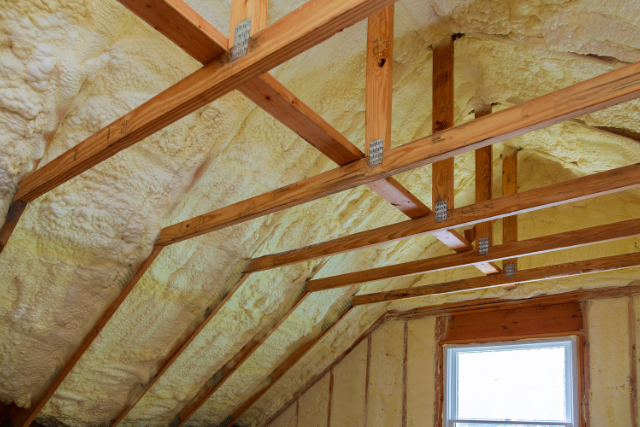
Warm air always goes up, and in homes where there’s not much loft insulation, it just goes out before the room even gets warm. That’s actually the point why some houses seem to get cold really fast. You get warm for a little bit, and then the temperature just falls again.
However, a loft insulation grant could be beneficial in such a situation. It slows down how quickly heat escapes from your home. As a result, your home stays warm for longer. This implies that your heating system will have to work less, and you will have a comfortable home during the winter months.
Heat has a habit. It moves upward. That’s the problem.
In homes without proper insulation, the loft becomes a quiet exit point. You don’t see it happening, but you feel it. Rooms cool faster. Heating runs longer. Bills follow the same pattern.
Older homes tend to struggle more with this. Not always because they’re poorly built, just because insulation wasn’t a priority when they were constructed.
That gap becomes more obvious over time.
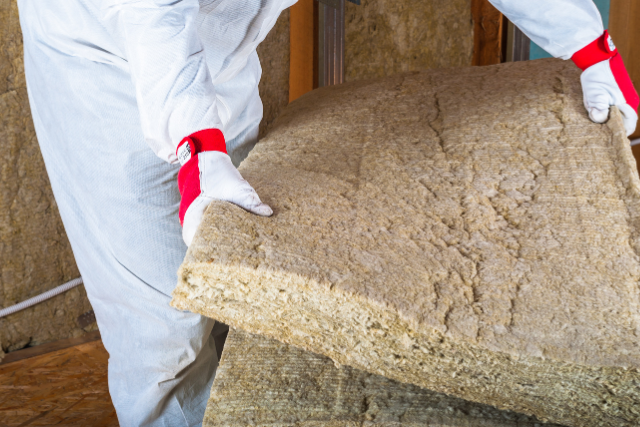
Insulation doesn’t stop heat completely. It slows it down.
Instead of constant reheating, warmth lingers. The home holds onto it just a little longer. And that’s where the difference starts.
Support options like loft insulation grants and grants for loft insulation exist to make this step more accessible.
Certain loft insulation grants are designed for homes losing heat in obvious ways. It’s the kind you notice just by living there.
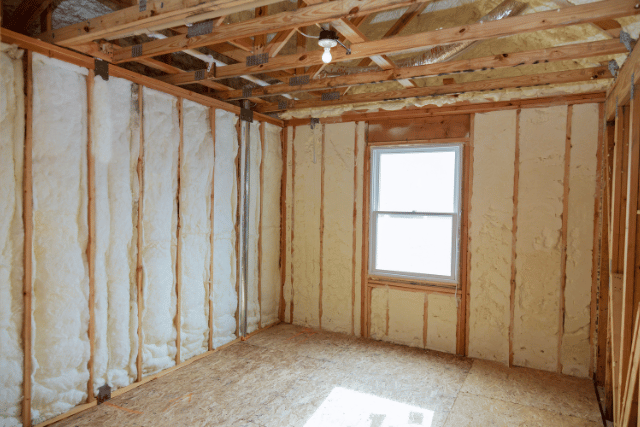
Not every home behaves the same. Some lose heat quickly. Others hold onto it better. Homes with little or no insulation tend to feel it first.
Eligibility isn’t always obvious. It depends on a mix of factors.
A loft insulation grant for pensioners may be available in some cases, especially where heating demand is higher, and income is fixed.
Other factors can include:
The change isn’t dramatic, but it’s clear. Rooms don’t cool as quickly. The warmth lasts longer after the heating switches off. It feels steadier.
A loft insulation grant often supports this kind of improvement.
Over time, heating patterns change. You may not notice it day by day. But over weeks and months, the system runs less often to maintain the same comfort level.
It’s not instant savings. It’s gradual and more reliable.
Cost is usually the first question. And it’s a fair one. Insulation isn’t something you see every day, but it works in the background. Quietly. Support, such as grants for insulating lofts, helps reduce the upfront barrier.
Savings don’t appear all at once. They build slowly.
It’s not a quick win. It’s a steady improvement.
Some households rely more heavily on heating.
This is where a loft insulation grant for pensioners can make a real difference. It helps when energy costs take up a larger share of income.
Older properties often fall into the category where improvement is needed most.
That’s why many government grants for loft insulation are directed toward these homes. In many cases, grants for insulating lofts are designed to improve exactly this.
Getting started doesn’t require a big decision.
It’s simply a check, a way to understand what might be available.
Once you check, you’ll know where you stand. Some homes qualify for loft insulation grants, others don’t. But either way, it removes uncertainty.
A lot of heat is lost where it’s least visible above your head. Addressing that can make a real difference. Not instantly, not dramatically, but steadily. A loft insulation grant is simply one way to support that change. It’s about understanding your options and deciding what works for your home.
It’s a type of support that helps cover the cost of adding insulation to your loft. The goal is to reduce heat loss and make your home easier to warm.
It depends on the property and household. Some schemes focus on income or benefits, while others look at how efficient the home already is.
It can help over time. Most people notice gradual changes as their home holds heat better and heating runs less often.
In most cases, it’s straightforward. The work is usually completed with minimal disruption.
If your home cools quickly or heating runs longer than expected, it’s often a sign that insulation could help. A quick check can confirm it.
Am I Eligible for UK Home Energy Grants? A Step-by-Step Guide Written by: Energy Efficient You Published: 25th April 2026 Get in …
What Home Energy Grants Are Available in the UK? A Complete Guide Written by: Energy Efficient You Published: 20th March 2026 Get …
Common Myths About UK Home Energy Grants (and What’s Actually True) Written by: Energy Efficient You Published: 25th February 2026 Get in …